
Digital revolution in construction: How BIM is transforming the construction industry
by Lisanne Reichert & Sarah Zonsius | November 21st, 2024
In a rapidly digitizing world, the construction industry is also facing profound change. One driver of this transformation is Building Information Modeling (BIM) – an innovative method that is fundamentally changing the way we plan, construct, and manage buildings. In this blog post, we delve deep into the world of BIM and explore how modern software solutions are driving this revolution and what challenges and opportunities they present for the future of the construction industry.
What is Building Information Modeling?
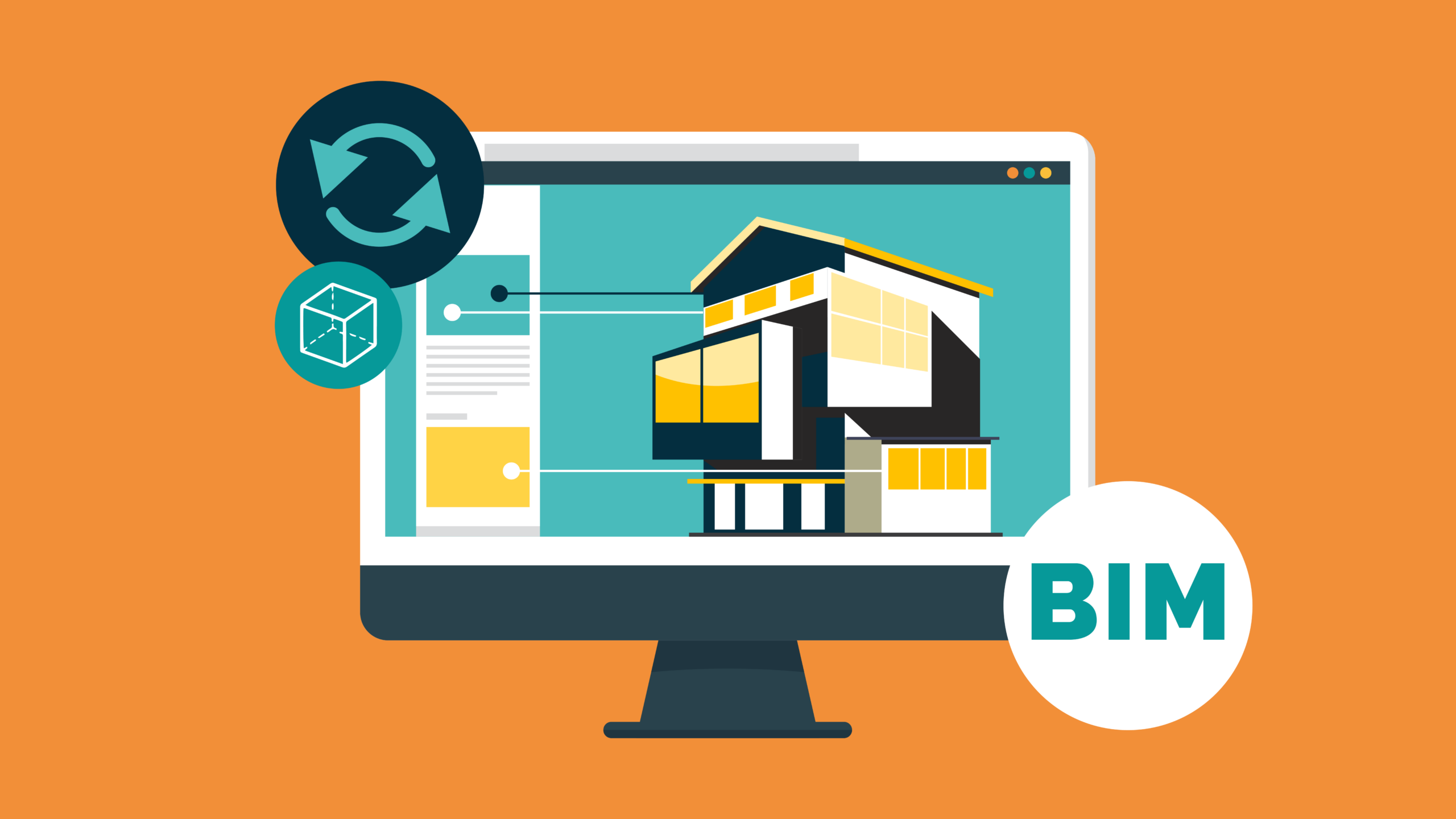
Building Information Modeling, or BIM for short, is far more than just a new technology – it’s a holistic method for the digital representation of buildings. At the heart of BIM lies the idea of a digital twin: a virtual representation of a building or infrastructure that contains not only geometric data but also a wealth of information on materials, costs, schedules, and even sustainability aspects.
Unlike conventional CAD drawings, which usually only provide two-dimensional representations, BIM offers a three-dimensional visualization enriched with additional, comprehensive datasets. This comprehensive information base forms the core of a construction project and supports the entire life cycle – from the initial concept drawing through the construction phase to maintenance and facility management.
A key feature of BIM is the ability to continuously update data throughout a building’s lifespan. This allows for real-time adjustments and keeps track of construction progress, cost development, and maintenance requirements. Thus, BIM becomes not only a planning solution but also a management solution.
The advantages of BIM in practice

Implementing BIM offers numerous advantages that extend far beyond improved visualization. Large and complex construction projects, in particular, benefit from the efficiency and transparency that BIM enables. But what are the concrete advantages in everyday construction practice?
Increased Efficiency and Productivity
Centralized data storage and seamless information exchange between all project stakeholders—from architects and site managers to engineers—allow for accelerated processes and the early identification of potential errors. BIM’s integrated structure facilitates collaboration between different trades and minimizes communication gaps. This reduces the likelihood of planning errors or misunderstandings, directly impacting efficiency.
Cost and Resource Savings
BIM helps identify and resolve potential problems early on, before they lead to costly changes on the construction site. This not only reduces direct construction costs but also minimizes delays and resource waste. Especially in the field of sustainable construction, BIM can play a crucial role, as it contributes to waste reduction and more efficient resource use through precise material calculations.
Improved Interdisciplinary Collaboration
A major advantage of BIM is the improved collaboration between different disciplines. Access to a shared, always up-to-date data source allows all stakeholders – from planners to contractors – to work on the same page. This transparency reduces the risk of information loss and ensures smoother project execution.
Sustainability and Environmental Friendliness
The ability to virtually simulate various building materials and construction processes in advance allows for more efficient resource consumption and minimizes the ecological footprint of a construction project. In an era where sustainability is gaining increasing importance, this is an invaluable advantage for construction companies.
Life Cycle Management
Another advantage of BIM lies in the life cycle assessment of a building. The model can also be used after the construction phase to provide valuable information for facility management and maintenance. This ensures that building management is efficient and cost-effective.
BIM in practice: From planning to completion
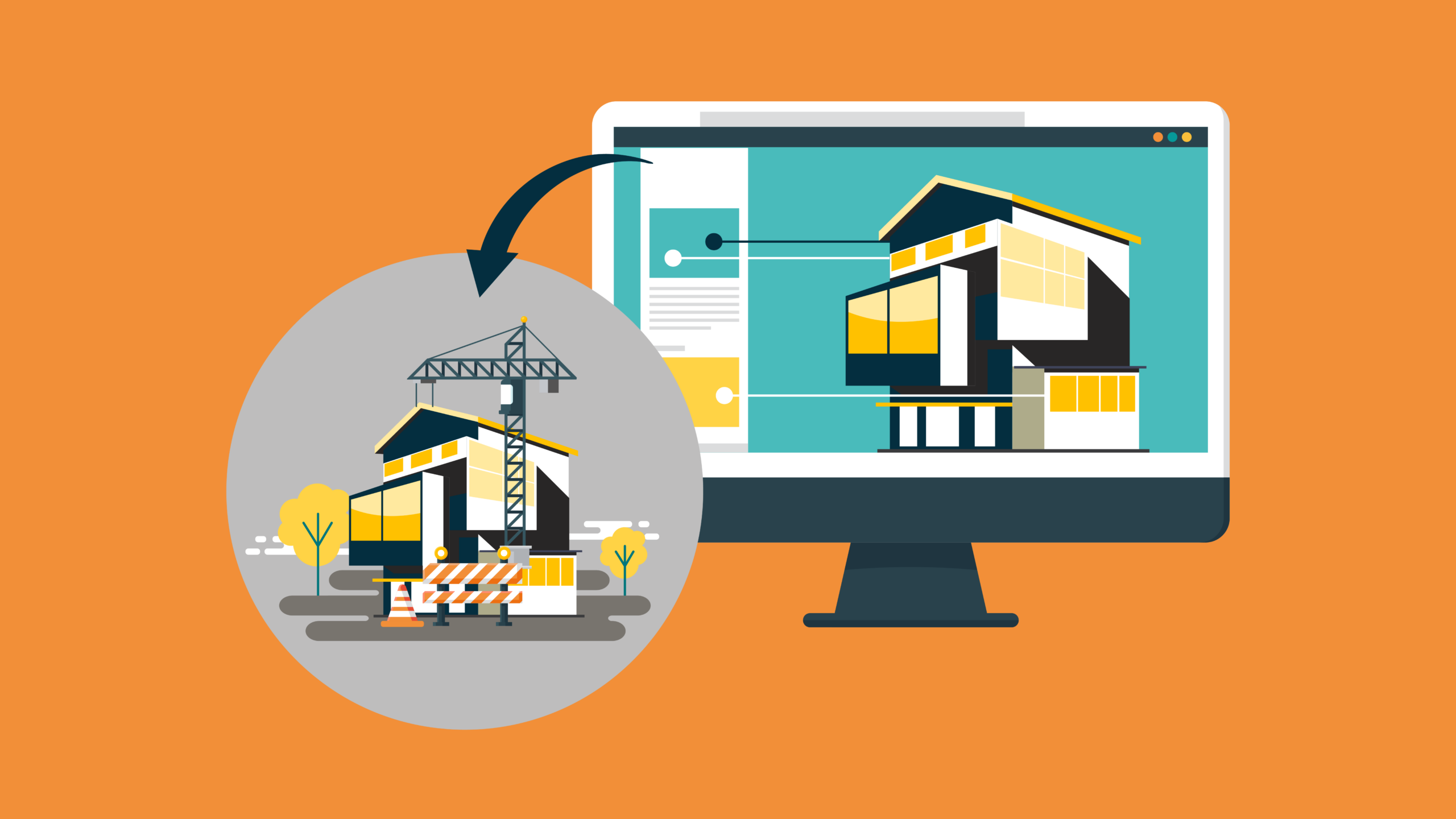
The application of BIM extends across all phases of a construction project, from the design phase to the operational phase. BIM supports architects and engineers as early as the planning phase, enabling them to create more precise designs and realistic visualizations of the future building. This provides clarity and security for both clients and contractors.
During the construction phase, BIM allows for the accurate and reliable implementation of the planned models. Thanks to integrated datasets and precise 3D representations, potential collisions between different building components, such as electrical installations and ventilation ducts, can be identified and resolved in advance. This minimizes costly on-site modifications and ensures a smoother construction process.
BIM also offers the ability to track changes and progress in real time. This is particularly advantageous for large projects such as airports, hospitals, or bridges, as it ensures that all stakeholders are always informed about the current project status.
The role of planBIC in the BIM process
Powerful software solutions play a crucial role in the use of BIM, as they support the entire process from planning to completion. Modern BIM software encompasses a wide range of functions specifically tailored to the requirements of the construction industry. Our SaaS solution, planBIC, occupies a key position in the management and quality assurance of construction projects organized according to BIM standards.
What is planBIC?
planBIC is a powerful platform that supports all phases of a construction project, from the initial concept to completion. Through centralized data storage and real-time collaboration, the software helps all project stakeholders stay up-to-date and communicate more effectively. A particular focus is placed on compliance with BIM standards, which planBIC ensures through automated tools such as the BIM Basis Check and the LOI Check.
The BIM Basis Check: Quality Assurance from the Start
The BIM Basis Check in planBIC serves as a control instrument to ensure that all digital models comply with the required standards and norms. This is particularly important because data and models in a BIM project are often edited by various stakeholders. The BIM Basic Check verifies whether:
- All necessary information is included in the model
- Consistency between the different models is ensured
- Standards and norms are adhered to
The trades are properly integrated
This process prevents faulty models from being passed on to later project phases, leading to significant cost and time savings in the long run. The BIM Basic Check promotes smooth communication and helps ensure that all participants work with the same, error-free data.
The LOI Check: Ensuring the Right Level of Information
In addition to model consistency, the information content of BIM models is also crucial for project success. The LOI (Level of Information) Check in planBIC helps assess the level of detail in the models and ensure that they meet the requirements of the respective project phase. Typical aspects examined by the LOI check include:
- Geometric detail of the models
- Completeness of the attribute data
- Relevance of the information to the current project phase
This ensures that the information is neither too complex nor too rudimentary and is optimally tailored to the needs of planners, contractors, and operators.
The advantages of planBIC in the BIM process

planBIC, through its integration into the BIM process, offers tailored advantages for the various stakeholders in the construction industry. The specific requirements of building owners, architects, planners, engineers, and construction companies are taken into account to ensure efficient and successful project execution.
Building Owners: Transparency and Cost Certainty
Building owners benefit from a high degree of transparency throughout the project. planBIC allows them to gain insight into the current planning status and construction progress at any time. Thanks to automated verification mechanisms, such as the BIM Basis Check, potential errors are identified during the planning phase, minimizing the risk of costly rework. This provides building owners with greater cost certainty and ensures that budgets and schedules are met. The central data platform also enables them to actively participate in the decision-making process and maintain an overview at all times.
Benefits for Building Owners:
- Improved control over costs and schedules
- Transparent insights into project status
- Early detection of planning errors and risks
- Reduced risk of delays and budget overruns
Architects: Efficient planning and creative freedom
Architects benefit from planBIC’s intuitive user interface, which allows them to efficiently integrate their creative designs into the BIM process. The cloud-based platform enables real-time sharing of design changes with other stakeholders and direct feedback without time-consuming coordination processes. This fosters a faster and more efficient planning phase, in which creative ideas can be implemented and their technical feasibility assessed. At the same time, automated checks help maintain a high level of design quality. Architects benefit from planBIC’s intuitive user interface, which allows them to efficiently integrate their creative designs into the BIM process.
Benefits for Architects:
- Fast and seamless integration of creative designs into the planning process
- Direct collaboration with other disciplines in real time
- Reduced coordination time through a shared platform
- Quality assurance through automated checks
Planners and Engineers: Automated Quality Assurance and Precision
For planners and engineers, the precision of the models is paramount. PlanBIC supports them with powerful model verification tools, such as the LOI check, which ensures that all information in the models complies with standards. This allows planning errors to be detected and corrected early on. Furthermore, the cloud-based platform enables seamless collaboration with architects and construction companies, promoting greater precision and efficiency in technical planning. This is particularly crucial for complex projects where precise coordination between stakeholders is essential.
Benefits for Planners and Engineers:
- Ensuring model quality through automated checks
- Precise alignment between technical and creative requirements
- Improved coordination and collaboration with other disciplines
- Minimization of planning errors and technical inconsistencies
Construction Companies: Optimized Construction Execution and Cost Efficiency
Construction companies particularly benefit from the improved coordination and data availability provided by planBIC. The platform enables seamless collaboration between trades and ensures that current construction plans are always available. This significantly reduces misunderstandings and planning errors that could lead to delays or additional costs. Furthermore, planBIC contributes to cost efficiency by optimizing construction execution and enabling precise control of construction processes. This is a major advantage for construction companies, as it allows them to work more efficiently and complete projects on schedule.
Benefits for Construction Companies:
- Improved coordination and communication between trades
- Real-time access to current construction plans
- Reduced construction delays through improved coordination
- Higher cost efficiency through optimized construction processes
Project Developers: Flexibility and Fast Decisions
Project developers appreciate the flexibility that planBIC offers. The platform can be adapted to the specific requirements of each project, whether it is a small or large construction project. The availability of up-to-date data and models in real time enables developers to make informed decisions and respond quickly to new developments or challenges as needed. This leads to faster and more efficient project execution overall, allowing project developers to monitor and manage multiple projects simultaneously.
Benefits for project developers:
- Flexible platform adaptation to different project sizes and requirements
- Faster and more informed decision-making through real-time data
- Efficient management and monitoring of multiple projects
- Greater agility in responding to unforeseen challenges
PlanBIC offers specific benefits for all stakeholders in the construction industry, ensuring that the BIM process is efficient and successful for building owners, architects, planners, engineers, contractors, and project developers. Each group benefits from increased transparency, improved communication, and automated checks, which guarantee greater planning accuracy, cost efficiency, and quality assurance. With planBIC, the BIM process becomes a controlled, productive, and successful experience for everyone involved.
Conclusion
Building Information Modeling (BIM) is more than just a technological advancement – it’s a paradigm shift in the construction industry. This technology is revolutionizing how construction projects are planned, executed, and managed, offering solutions to the industry’s increasingly complex challenges. Companies that adopt BIM and innovative software solutions like our SaaS platform, planBIC, early on will be able to thrive in an increasingly competitive environment and actively shape the future of construction.
BIM has the potential to make the construction industry not only more efficient and cost-effective, but also more sustainable and environmentally friendly. With planBIC as a reliable partner for quality assurance and collaboration throughout the BIM process, construction projects can be implemented smarter and more securely. In an era where digital solutions are gaining importance in all areas of life, BIM, combined with planBIC, offers a clear path to fundamentally transforming construction and preparing for the demands of the future.
Discover planBIC, a pioneering Software-as-a-Service solution that enables automated completeness and quality checks of construction project documents, as well as collaborative work in the cloud. Revolutionize your construction projects with efficient reviews.